
Product Description
Renal mesangial cells (RMC) are perivascular cells located within the central portion of the glomerular tuft between capillary loops. Mesangial cells have a variety of functions including synthesis and assembly of the mesangial matrix, endocytosis and processing of plasma macromolecules, and control of glomerular hemodynamics via mesangial cell contraction or release of vasoactive hormones [1]. Mesangial cells also synthesize, assemble and control turnover of the mesangial matrix. Matrix overproduction of mesangial cells has been observed in various glomerular diseases, such as IgA nephropathy, mesangioproliferative glomerulonephritis, lupus nephritis, glomerulosclerosis and diabetic nephropathy [2, 3]. Such critical involvements suggest renal mesangial cells are an ideal model for studying mesangial injury and glomerular functions under both physiological and pathophysiological conditions.
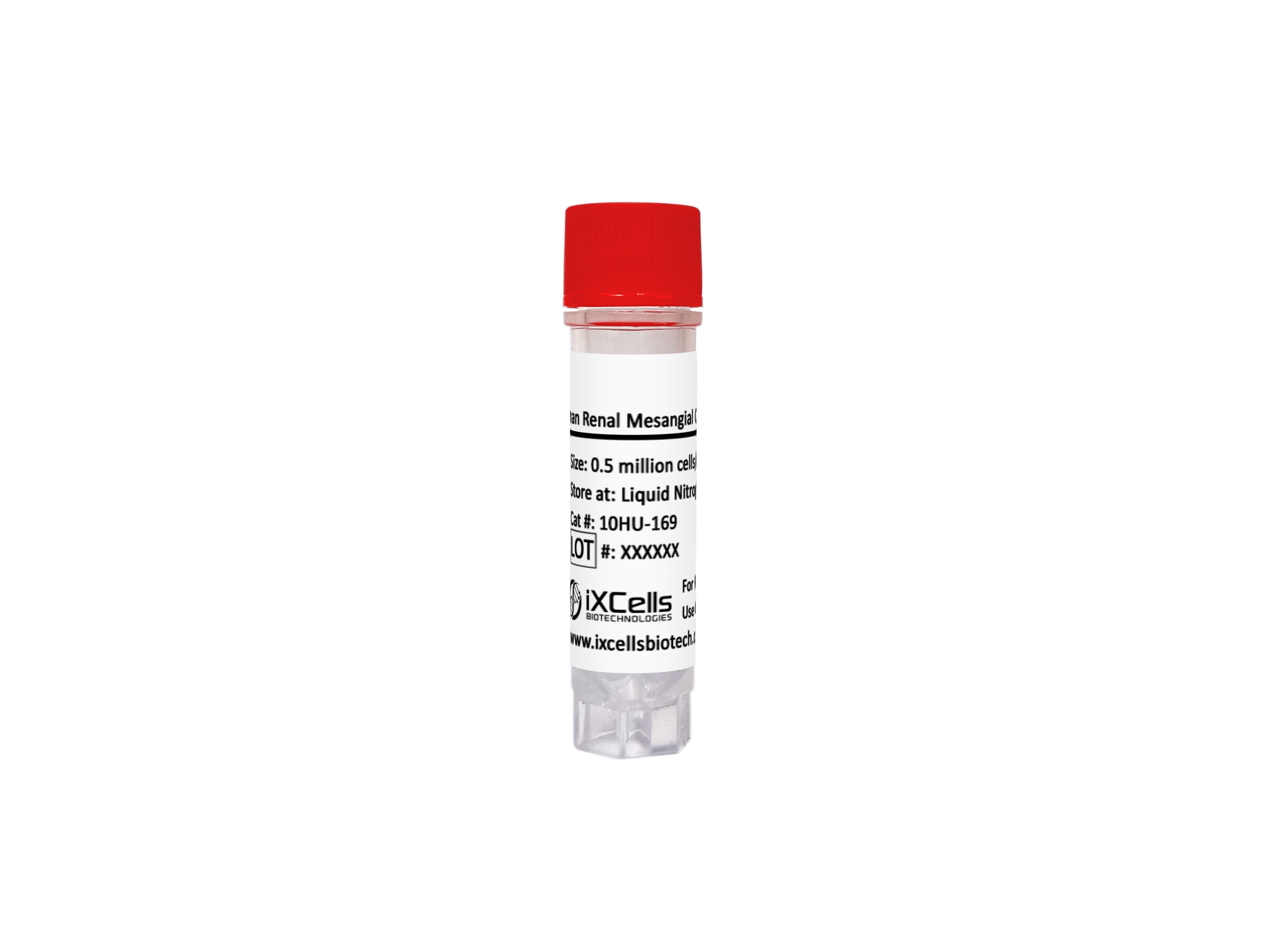
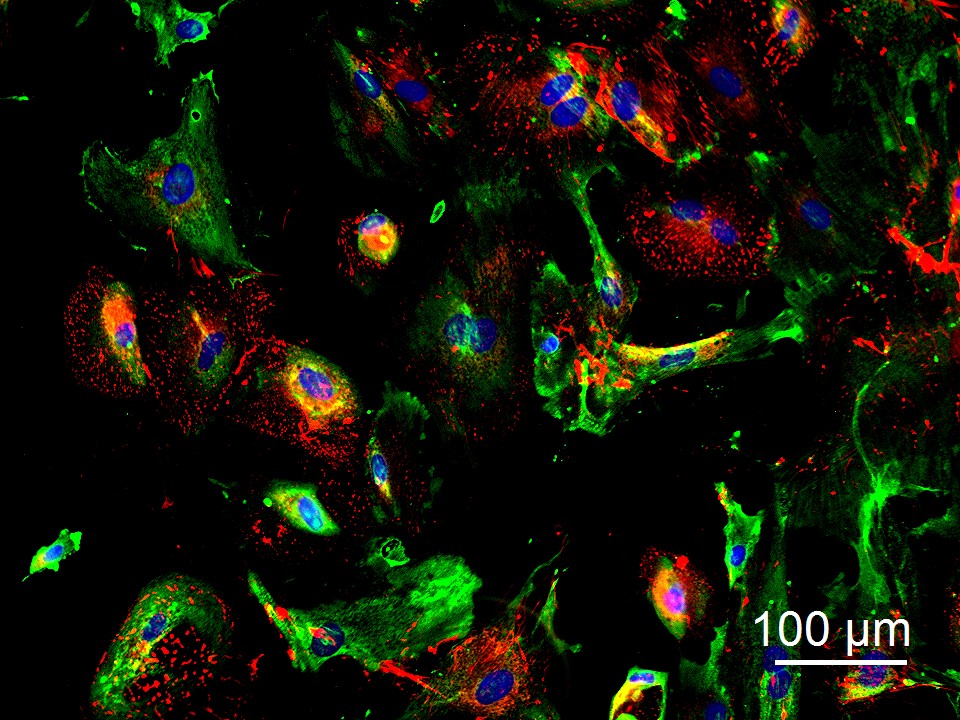
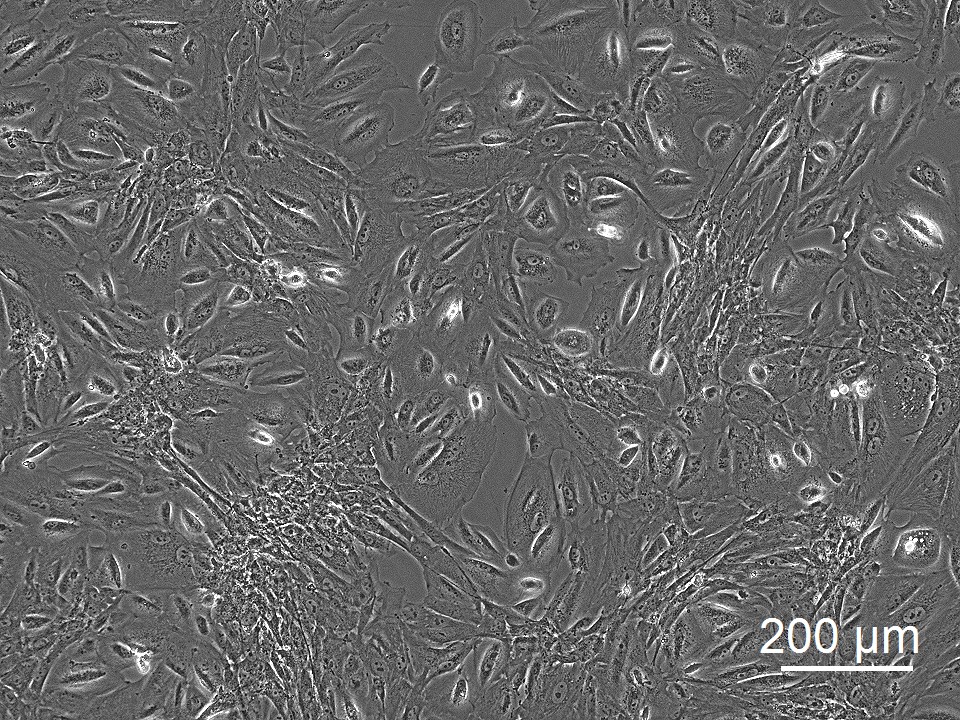
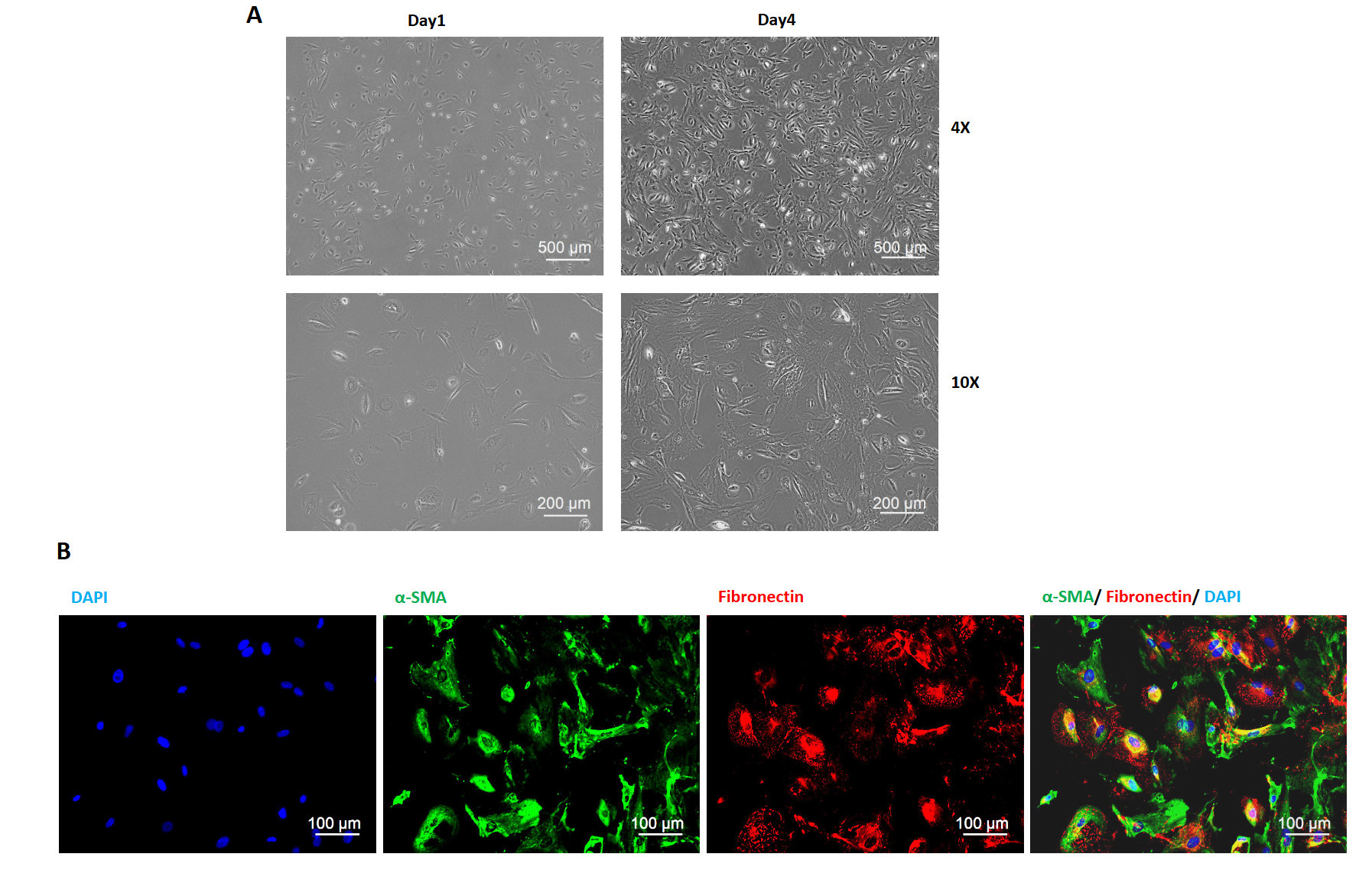
iXCells Biotechnologies provides high quality Human Renal Mesangial Cells (HRMC), which are isolated from human renal tissue and cryopreserved at P1, with >0.5 million cells in each vial. HRMC express fibronectin, smooth muscle actin, and Thy-1. These HRMC are negative for HIV-1, HBV, HCV, mycoplasma, bacteria, yeast, and fungi and can further expand in Mesangial Cell Growth Medium (Cat# MD-0051) under the condition suggested by iXCells Biotechnologies.
Product Details
| Tissue | Human renal tissue |
| Package Size | 0.5 million cells/vial |
| Passage Number | P1 |
| Shipped | Cryopreserved |
| Storage | Liquid nitrogen |
| Growth Properties | Adherent |
| Media | Mesangial Cell Growth Medium (Cat# MD-0051) |
References
[1] Rodriguez-Barbero, A., L’Azou, B., Cambar, J. and Lopez-Novoa, J. M. (2000) Potential use of isolated glomeruli and cultured mesangial cells as in vitro models to assess nephrotoxicity. Cell Biol Toxicol 16(3):145-53
[2] Stockand, J. D. and Sansom, S. C. (1977) Regulation of filtration rate by glomerular mesangial cells in health and diabetic renal disease. Am J Kidney Dis 29(6): 971-81.
[3] Grond, J. and Weening, J. J. (1990) Mesangial cell injury, glomerulosclerosis, and therapeutic intervention. Contrib Nephrol 81: 229-39.